End of Tenancy Cleaning in W11: A Practical, Professional Approach to a Stress-Free Move
Why End of Tenancy Cleaning in W11 Matters

End of tenancy cleaning in W11 is one of the most important steps when preparing to leave a rented property. Whether you are moving out of a flat near Notting Hill, a townhouse close to Holland Park, or a studio apartment in the wider W11 area, the final clean can make a major difference to how smoothly the handover goes. Landlords and letting agents usually expect the property to be returned in excellent condition, and a thorough clean helps reduce the risk of deductions from the deposit.
The area covered by W11 includes some of London’s most sought-after residential streets, which means property standards can be especially high. In this context, end of tenancy cleaning W11 is not just about making a property look tidy. It is about restoring every visible and hidden surface to a condition that meets rental expectations. A well-executed clean can help tenants leave on good terms, support a faster inventory checkout, and remove the stress that often comes with moving day.
For many renters, the challenge is not understanding why end of tenancy cleaning matters, but understanding how to do it properly. Kitchens, bathrooms, skirting boards, appliances, windows, and carpets all need attention. A quick surface wipe rarely goes far enough. That is why many people in the W11 area choose a professional service or follow a detailed cleaning checklist to avoid missing crucial areas.
What Makes W11 Properties Different?
W11 is known for its mixture of period conversions, modern apartments, maisonettes, and high-spec rental homes. This variety means that end of tenancy cleaning in W11 must be flexible and thorough. Older properties may have delicate fixtures, ornate woodwork, or hard-to-reach corners that collect dust over time. Newer homes may have sleek surfaces, integrated appliances, and glass features that show marks easily.
Because of these property differences, the cleaning approach needs to be tailored to the building type. For example, a Victorian conversion in Notting Hill may require careful attention to sash windows, ceiling coving, and fireplaces, while a contemporary flat may need detailed degreasing of glossy kitchen units and sanitising of high-touch surfaces. This is where experience matters. A generic clean may not meet the expectations of a landlord or inventory clerk in W11.
Another factor is location. W11 properties often sit in busy, well-connected neighbourhoods where renters move frequently and standards remain high. A professional end of tenancy cleaning W11 service is usually familiar with what local letting agents look for during final inspections, which can save tenants time, effort, and unnecessary disputes. Attention to detail is essential if you want the property to pass its checkout condition without issues.
What Is Included in End of Tenancy Cleaning?
An effective end of tenancy cleaning in W11 normally covers every room in the property from top to bottom. The goal is to leave the home in a state that is clean, hygienic, and visually acceptable for the next occupant. This usually includes deep-cleaning kitchens and bathrooms, dusting all accessible surfaces, wiping internal doors, cleaning light switches, and vacuuming or mopping floors.
In the kitchen, the process often includes cleaning the inside and outside of cupboards, degreasing the hob, wiping splashbacks, sanitising sinks, and removing grease from extractor fans. Oven cleaning is especially important, as this is one of the most commonly inspected areas in tenancy checks. A dirty oven can quickly become a reason for deductions if it is not cleaned to a proper standard.
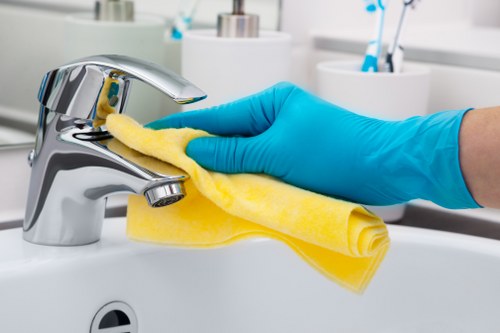
Bathrooms need a similarly detailed approach. Limescale, soap scum, and mould can build up quickly, particularly in humid rooms. A complete service will usually focus on shower screens, taps, toilets, baths, tiles, mirrors, and all other sanitary fittings. In living areas and bedrooms, cleaners will usually dust shelves, skirting boards, furniture surfaces, and reachable fixtures, then vacuum carpets and wipe hard floors as needed.
Typical end of tenancy cleaning tasks
- Deep cleaning of kitchens, including cupboards and appliances
- Cleaning bathrooms, toilets, sinks, showers, and tiles
- Dusting and wiping all accessible surfaces
- Vacuuming carpets and cleaning hard flooring
- Removing limescale, grease, and general grime
- Cleaning internal windows, frames, and sills where accessible
- Detailed attention to skirting boards, switches, and doors
Why Professional End of Tenancy Cleaning in W11 Is Worth It
Some tenants attempt the clean themselves, while others prefer to hire a specialist. Both options can work, but professional end of tenancy cleaning W11 often offers better consistency, more efficiency, and a higher chance of meeting inspection standards. Professional cleaners bring equipment, products, and experience that can make a noticeable difference in the final result.
One major advantage is time. Moving out is already demanding, with packing, removals, address changes, and utility arrangements all competing for attention. Hiring a specialist allows tenants to focus on the move while the cleaning is handled properly. This can be particularly useful in W11, where many residents have busy schedules and tight moving deadlines.
Another benefit is quality control. Professional cleaners typically follow a checklist designed for tenancy handovers, which helps ensure that key areas are not overlooked. They know how to tackle stubborn kitchen grease, bathroom limescale, and general build-up in corners and edges. End of tenancy cleaning in W11 is not simply about appearance; it is about meeting a property standard that can stand up to scrutiny.
Key advantages at a glance
- More thorough results than a standard weekly clean
- Reduced stress during moving day
- Better preparation for inventory checks
- Improved chances of avoiding deposit deductions
- Professional equipment and cleaning materials
How to Prepare for End of Tenancy Cleaning

Preparation is a major part of achieving strong results with end of tenancy cleaning in W11. Before the cleaning begins, it is sensible to remove personal belongings, pack the final boxes, and make sure furniture is either cleared out or left according to the tenancy agreement. Cleaners can work faster and more effectively when they have clear access to floors, cupboards, and surfaces.
If the property will be cleaned by professionals, it helps to communicate any specific concerns in advance. For example, you may want extra attention given to the oven, fridge, carpets, or bathroom grout. If there are fragile surfaces, built-in appliances, or unusual features, let the team know so they can bring the right approach. Good preparation supports a more successful result and reduces the chance of missed details.
Tenants should also check the tenancy agreement and inventory report before booking a service. Some landlords require particular standards, and some agreements specify whether window cleaning, carpet treatment, or appliance cleaning is expected. Reading these documents carefully can help you tailor your end of tenancy cleaning W11 plan to the exact requirements of the property.
Helpful preparation steps
- Remove all personal items and rubbish from the property.
- Defrost the freezer in advance if it needs cleaning.
- Unplug and empty appliances where practical.
- Make sure water, electricity, and access are available.
- Keep keys, fobs, and entry details ready for the cleaners.
Areas Most Likely to Be Inspected During Checkout
When a landlord or agent conducts the final inspection, some areas are checked more closely than others. In end of tenancy cleaning W11, the most scrutinised spaces are usually the kitchen and bathroom, followed by floors, windows, and visible high-touch surfaces. These areas tend to reveal whether the property has been cleaned properly or only superficially.
Kitchens often determine the impression of the whole property. Grease on cupboards, crumbs in drawers, limescale around taps, and residue on appliances can all stand out immediately. Bathrooms are equally important because signs of neglect are easy to spot. Dirty grout, mould spots, soap residue, and stained fittings may suggest a poor level of maintenance, even if the rest of the home looks acceptable.
Bedrooms and living rooms may appear simpler to clean, but they still matter. Dust along skirting boards, marks on walls, smudges on doors, and stains on carpets can be highlighted during the checkout report. End of tenancy cleaning in W11 should therefore be approached as a full-property task rather than a room-by-room surface tidy. Every visible detail counts.
Commonly inspected points
- Ovens, hobs, extractor fans, and kitchen cupboards
- Sinks, taps, toilets, showers, and tile grout
- Carpets, floors, and corner edges
- Internal windows, frames, and sills
- Dust on ledges, skirting boards, and fittings
- Marks on walls, switches, and doors
End of Tenancy Cleaning W11 vs Regular Cleaning
It is easy to assume that regular cleaning and tenancy cleaning are similar, but they serve very different purposes. A standard clean is designed to keep a home neat during normal occupancy. End of tenancy cleaning in W11, however, is intended to bring the property back to a move-out standard. That usually means deeper cleaning, more time, and a stronger focus on detail.
Regular cleaning may involve wiping visible surfaces, vacuuming, and tidying bathrooms and kitchens once a week or more often. End of tenancy cleaning goes much further. It includes inside cupboards, behind appliances where accessible, around fixtures, and in areas that are often ignored during routine upkeep. This difference is why many tenants are surprised by how much work is needed at the end of a lease.
For the best outcome, a move-out clean should also be judged against the inventory report taken at move-in. If the home was professionally cleaned when you arrived, the outgoing condition is usually expected to be close to that standard. This is especially true in W11 rental properties, where presentation can affect deposit returns and the speed of the checkout process.
In simple terms
Regular cleaning maintains a home. End of tenancy cleaning W11 restores it.
Common Challenges in W11 Properties
Properties in W11 often come with unique cleaning challenges. Older buildings may have built-in features, decorative mouldings, or worn materials that require careful handling. Newer apartments may include polished stone, glass, chrome, and fitted kitchen units that show dust, fingerprints, and water spots very clearly. These differences mean the cleaning process should be adapted rather than rushed.
Another challenge is scale. Some homes in W11 are compact, which can make access awkward, especially in kitchens and bathrooms. Other properties are larger and take more time to clean properly. Either way, a successful end of tenancy cleaning in W11 depends on planning, the right cleaning products, and a detailed method. Missing one hard-to-see area can be enough to affect the inspection outcome.
There is also the issue of wear and tear versus cleanliness. Normal use over time may leave small marks or signs of ageing that are not the tenant’s responsibility, but grime and residue are different matters. A careful clean should focus on removing dirt, stains, and build-up, while understanding that not every cosmetic issue can be fixed through cleaning alone. That distinction is important when preparing for handover.
How to Choose the Right Cleaning Service
If you decide to book a professional end of tenancy cleaning W11 service, choose one that is clearly structured and focused on move-out requirements. The right provider should offer a detailed checklist, use suitable equipment, and understand what landlords usually expect. Clarity matters, because a vague or incomplete service can leave you with problems later.
Look for a team that can handle a full property clean rather than a basic domestic tidy. They should be prepared to clean kitchens, bathrooms, floors, fixtures, and other high-use areas thoroughly. It is also useful if they understand the specific challenges of W11 properties, since local rental standards and property layouts can vary quite a bit.
Before booking, ask whether the service includes the areas most important for your tenancy. Oven cleaning, carpet treatment, internal window cleaning, and appliance cleaning are common extras or key inclusions depending on the provider. End of tenancy cleaning in W11 should be transparent, organised, and designed to support a smooth exit from the property.
What to look for in a provider
- A clear move-out cleaning checklist
- Experience with rental property handovers
- Flexible scheduling around your moving date
- Attention to detailed areas and fixtures
- Ability to support deposit protection expectations
DIY End of Tenancy Cleaning Tips for Tenants
Some tenants prefer to complete the clean themselves, either to save money or because the property is small and manageable. If that is your approach, organisation is key. Start with the dirtiest areas first, such as the oven and bathroom, then move to surfaces, floors, and final touch-ups. A methodical approach will save time and help avoid redoing sections later.
Use the right materials for the job. Microfibre cloths, an effective degreaser, bathroom cleaner, glass cleaner, disinfectant, and a reliable vacuum are all useful. For stubborn marks, allow products to sit for the recommended time before wiping them away. Rushing the process often leads to poor results, especially in a property where end of tenancy cleaning W11 standards are high.
It is also helpful to clean from top to bottom. Dust shelves, light fittings, and higher surfaces first so debris falls onto floors that will be vacuumed or mopped later. This simple rule can improve efficiency and reduce the chance of missing dirt. If you are short on time, focus on the areas that landlords inspect most closely: kitchen, bathroom, floors, and visible surfaces.
Practical DIY tips
- Work room by room to stay organised
- Use strong but suitable cleaning products
- Pay extra attention to kitchen grease and bathroom limescale
- Check behind doors, under sinks, and inside cupboards
- Take photos after cleaning for your records
Why Details Matter So Much
In tenancy cleaning, details often decide whether the property passes inspection cleanly. Small issues can create a bigger impression than tenants expect. A few crumbs in a drawer, dust on a skirting board, or water marks on a tap may seem minor, but during a checkout they can signal that the property has not been cleaned properly. That is why end of tenancy cleaning in W11 should always include a close final check.
Details also matter because rental properties are often compared against one another. In a competitive area like W11, landlords and agents may have clear expectations about the condition of a property at the end of a lease. A clean, fresh-looking home reflects care and responsibility, while a neglected one may trigger additional charges or delayed deposit release.
This is why thoroughness is more important than speed. A fast clean that misses corners is rarely effective. Whether you do it yourself or hire help, the goal should be to leave no obvious trace of the previous tenancy. With the right method, end of tenancy cleaning W11 can become a straightforward part of the moving process rather than a stressful final hurdle.
Making the Move-Out Process Easier
A well-planned cleaning process can make moving out significantly easier. Once cleaning is scheduled and the property is ready, you can focus on the final tasks of the relocation. This is one reason many tenants in the area book end of tenancy cleaning W11 early rather than leaving it until the last minute. Early planning reduces pressure and creates space for any necessary touch-ups.
It is also wise to coordinate cleaning with removals and key return. Ideally, the property should be empty before the final clean begins. That way, cleaners can access all areas properly, and you can inspect the result before handing anything back. If there are any last-minute issues, there is still time to address them rather than discovering them after checkout.
Ultimately, a clean and orderly move-out benefits everyone involved. Tenants reduce their stress and improve their chances of a smooth deposit return. Landlords receive a property ready for the next occupant. And the whole process feels more professional. If you want a straightforward, reliable result, end of tenancy cleaning in W11 is one of the smartest investments you can make during a move.
Ready for a smoother move?
Contact us today to arrange your cleaning plan or book your service now and take the pressure off moving day.